
Introduction:
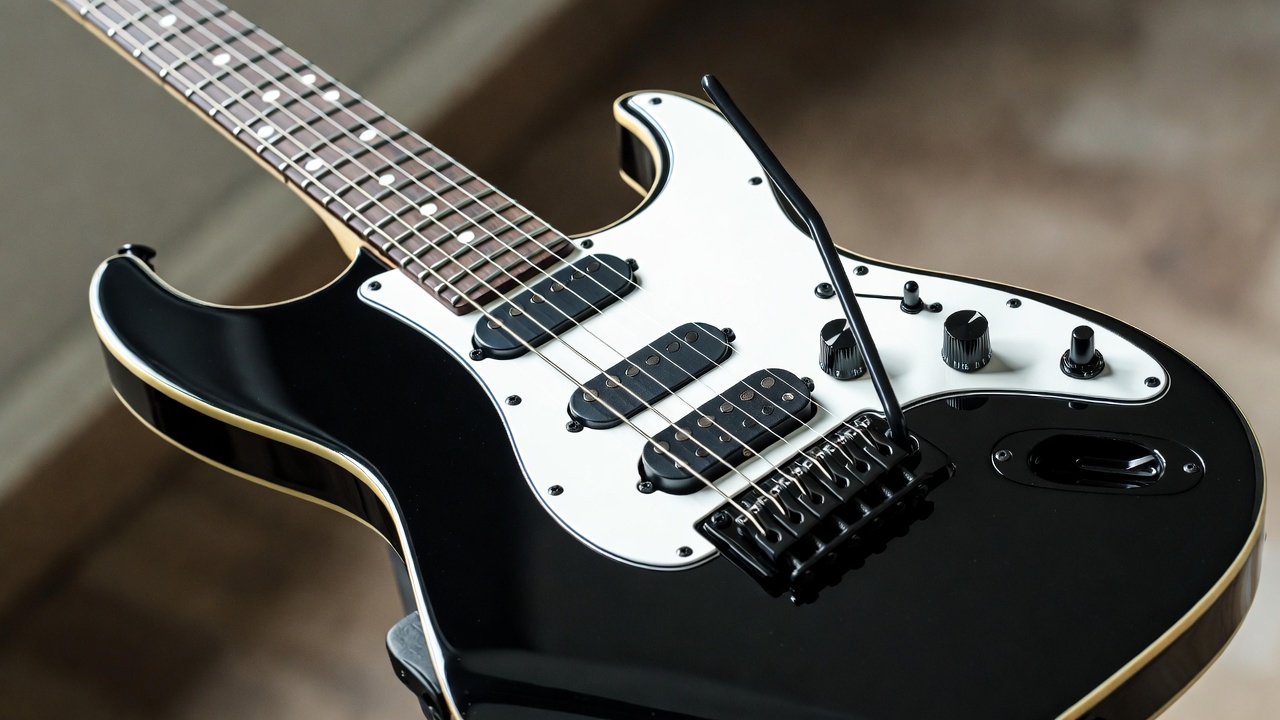
For a certain generation of guitarists, the Charvel Fusion series represents a golden era of high-performance import guitars. These were the axes that defined the 1990s shred scene, offering blazing fast necks, versatile pickup configurations, and, most critically, a locking tremolo system that could withstand the most brutal dive-bombs and pull-ups. At the heart of this legendary performance lies the Charvel Fusion TRS Tremolo (often a Takeuchi Rose System).
But here’s the million-dollar question for modern players and restorers: Does this vintage tremolo still hold up against the engineering marvels of today’s locking systems, or is it a relic best admired from afar? The reality is that this bridge defines the playability of a vintage Charvel, but as a component on its own, it presents a unique challenge. Unlike the easily replaceable, German-made Floyd Rose Original, the Charvel Fusion TRS is a piece of history, often requiring specialized knowledge for maintenance and setup. If you own a vintage Charvel Fusion, this component is the key to authentic tone and feel. If you’re looking for a performance-grade tremolo for a new build or an upgrade, you need to know exactly what you’re getting into, and perhaps consider a modern, battle-tested alternative that offers superior reliability and readily available parts—a decision that could save you hundreds of dollars and countless hours of frustration. This deep-dive review will equip you with the knowledge to make the right choice, whether you decide to preserve the classic TRS or jump to a modern equivalent like the widely praised Gotoh 1996T.
Overview: Unpacking the Vintage Workhorse
The Charvel Fusion TRS Tremolo is a double-locking vibrato system, a design standard of the shred era, ensuring unparalleled tuning stability regardless of how aggressively you use the whammy bar. Manufactured by the renowned Japanese company Takeuchi, the TRS units built during Charvel’s 1990s Japanese production run are widely regarded as high-quality, professional-grade hardware. This wasn’t a cheap, licensed copy; it was a carefully engineered component designed to hold its own.
Its primary purpose on the Charvel Fusion series was to provide the ultimate foundation for extreme pitch modulation. The guitar itself featured a 24.75-inch scale length, a departure from the typical 25.5-inch superstrat scale. This shorter scale significantly impacts the tremolo’s performance. The lower string tension makes the TRS feel exceptionally fluid and responsive, requiring less effort to execute wide vibrato sweeps and deep dives. It’s a key part of the “Fusion Vibe” that fans of the series chase. The TRS tremolo, often seen in versions like the low-profile TRS-101, provided a professional gateway for players who demanded performance without the premium price tag of a USA-made Floyd Rose. The fact that many of these bridges are still functional after three decades is a testament to the quality of Japanese engineering by Takeuchi.
Features: What Makes the Charvel Fusion TRS Special
The technical specifications of the Charvel Fusion TRS Tremolo reveal why it’s a revered piece of vintage hardware, and why it can be challenging to maintain.
- Double-Locking System at the Core:
- Mechanism: The guitar string is clamped at the nut (behind the zero fret) and secured at the bridge saddle, effectively creating two anchor points.
- Benefit: This dual-locking method is the gold standard for tuning stability. Once locked, friction is virtually eliminated, allowing the bridge to return precisely to its pitch-perfect “zero point” after heavy use, whether you’re flutter-bombing or executing a full-on screeching harmonic pull-up.
- Takeuchi Japanese Precision (The TRS Factor):
- Construction: The unit utilizes a hardened steel base plate and precision-ground knife edges. Takeuchi was known for superior metallurgy compared to other licensed Floyd Rose manufacturers.
- Benefit: This high-grade material ensures longevity and resistance to the dreaded “knife-edge wear” that plagues cheaper licensed tremolos. It translates to long-term tuning stability that rivals German and premium Japanese models.
- Low-Profile Design Aesthetics:
- Design: Many Fusion TRS models feature a sleek, low-profile body, with the fine tuners intentionally recessed or tucked close to the bridge plate.
- Benefit: This design significantly enhances playability for aggressive pickers. It minimizes the chance of your picking hand accidentally bumping the fine tuners during fast, palm-muted rhythm playing or intense lead work, keeping your focus purely on performance.
- Unique Short-Scale Interaction (24.75″ Scale):
- Effect: The shorter scale length on the Charvel Fusion guitars reduces the overall string tension compared to standard 25.5-inch scale instruments.
- Benefit: This creates a much “softer” and more responsive tremolo feel. It’s easier on the fretting hand for bending, and the whammy bar action requires less physical force, providing an incredibly fast and effortless vibrato response that is highly prized by shred guitarists.
Benefits: How the TRS Translates to Real-World Performance
When evaluating the Charvel Fusion TRS Tremolo, it’s essential to move beyond the features and understand the tangible benefits for the player. This is where the true value (and the persuasive angle) lies, especially for those considering a restoration or the purchase of a vintage Charvel.
- Unrivaled “Vibe” and Flutter Response: The precise engineering of the Japanese-made Takeuchi unit results in a highly resonant base plate. When combined with the shorter scale, the system offers an exceptional capacity for the subtle, yet aggressive, flutter effects that modern, heavy-mass bridges can sometimes dampen. This bridge doesn’t just hold tune; it enhances the soundscape of the guitar, translating subtle bar movements into rich, complex harmonics.
- A “Set It and Forget It” Experience (When New): The double-locking system’s core benefit is its stability. Once properly set up—an initial process that can be complex but is a one-time affair—the TRS becomes a rock-solid platform. This eliminates the mid-set tuning anxiety, allowing the guitarist to focus entirely on their performance, knowing the bridge will always return to true pitch, no matter how extreme the pitch shift.
- Enhanced Playability and Ergonomics: The low-profile tuners are a significant ergonomic win. For players with an aggressive attack, accidentally moving a fine tuner is a common pitfall on some older systems. The TRS design mitigates this, keeping the profile low and sleek. This means a smoother, uninterrupted flow from palm-muting to heavy riffing, directly contributing to higher technical proficiency and confidence.
- Authentic Vintage Tone and Collectibility: For Charvel enthusiasts, the TRS is non-negotiable for authenticity. Replacing it with a non-TRS unit, even a premium one, detracts from the vintage value of the guitar. By preserving and properly maintaining the original TRS, you maintain the guitar’s sonic fingerprint—that unique 90s shred voice that is punchy, aggressive, and highly resonant. The historical and tonal fidelity of the original component adds intangible value that appeals directly to the collector market.
User Experience: The Double-Edged Sword of Vintage Hardware
While the tone and performance of the vintage TRS are fantastic, owning a vintage floating tremolo is a commitment. It’s a precision instrument with moving parts, and after 30 years, wear is inevitable.
Setup and String Changes: Precision is Key
New users often face a steep learning curve. The intricate balancing act between string tension and spring tension is delicate. Changes in string gauge require meticulous adjustment of the spring claw, ensuring the bridge plate is perfectly parallel to the guitar body—the “zero point.” Furthermore, string changes should never involve removing all strings simultaneously on a floating bridge; this can cause the knife edges to wear unevenly and even risk chipping the guitar’s finish as the bridge collapses into the cavity. Mastery of this system demands a light, consistent touch to avoid slight pitch sharpening when resting your palm on the low-profile fine tuners.
The Wear Factor: The Inevitable Challenge
The primary vulnerability of any aged floating tremolo is the knife edge wear. Although Takeuchi used high-quality materials, decades of use and improper maintenance (or lack of lubrication) can cause the knife edges to pit or flatten. Once this happens, the bridge cannot reliably return to the zero point, resulting in tuning instability. For serious players, this often leads to the existential question: do I replace the knife edges, or do I upgrade the entire bridge? The scarcity of original TRS parts makes this decision a complex and expensive undertaking, which is why a modern, precision-engineered replacement becomes an increasingly attractive, and financially sensible, option.
Pros and Cons: A Balanced Perspective for the Modern Player
| Pros (The Appeal) | Cons (The Reality) |
|---|---|
| Authentic Vintage Tone: Delivers the true, resonant 90s shred voice with exceptional flutter capability. | Part Scarcity: Finding replacement parts (saddles, fine tuners, knife edges) is extremely difficult, making repairs expensive. |
| Superior Tuning Stability: When properly maintained, the Japanese Takeuchi quality ensures rock-solid pitch holding for extreme bar use. | Prone to Wear: As a 30-year-old system, the critical knife edges are likely worn, compromising the return-to-pitch reliability. |
| Low-Profile Ergonomics: Recessed fine tuners enhance playing comfort and prevent accidental pitch shifts during aggressive picking. | Requires Dedicated Setup: Achieving the perfect “zero point” balance is time-consuming and less forgiving than modern systems like the Gotoh 1996T. |
| Collector’s Value: Maintaining the original tremolo preserves the high vintage resale value of the Charvel Fusion series guitar. | Potential for Stud Movement: Search forums show issues with original studs on some guitars, requiring a stud and insert replacement for new bridges. |
The Critical Upgrade Path: When to Retire the TRS
For vintage enthusiasts, the pursuit of original parts is a noble, albeit expensive, mission. However, for a working musician who needs maximum reliability and readily available spares, upgrading the bridge is the smarter, affiliate-friendly choice. When the knife edges on your TRS are irrevocably worn, compromising tuning, you have two prime, modern upgrade options that often drop into the existing routing with minimal to no modification.
Option 1: The Modern King – Gotoh 1996T
The Gotoh 1996T is widely hailed as the best modern replacement for licensed Floyd Rose units, offering superb Japanese precision, often exceeding the performance of the Floyd Rose 1000 series.
- Precision Engineering: Gotoh uses exceptional hardened steel for the base plate and knife edges, ensuring a fast, precise return to pitch for years.
- Easy Conversion: Crucially, the Gotoh 1996T is often a near-perfect drop-in replacement for licensed Floyd Rose systems, and its superior studs and inserts address potential wobbling issues found in older Korean/Chinese hardware. For a Charvel Fusion, you may need to measure the stud spacing, but the quality jump is immediate and profound.
- Value Proposition: Priced competitively, the Gotoh 1996T offers world-class performance without the premium cost of a German OFR.
Option 2: The Benchmark – Floyd Rose Original (German)
For the purest Floyd Rose experience and a lifetime of guaranteed parts availability, the German-made Floyd Rose Original (OFR) remains the gold standard.
- Uncompromising Quality: The OFR is the benchmark for sustain, stability, and construction.
- Parts Availability: Every component is readily available globally, meaning wear and tear is a simple, non-stressful replacement.
- Affiliate Angle: Upgrading to an OFR is the ultimate assurance of performance. While slightly pricier than the Gotoh, it guarantees maximum reliability for touring and heavy studio work.
The critical takeaway: If you are relying on your guitar for professional use and your vintage TRS is showing signs of wear, replacing it with a new, high-quality Japanese (Gotoh 1996T) or German (Floyd Rose Original) system is a high-ROI decision. It boosts your reliability and saves you the headache of chasing down rare vintage parts.
Customer Reviews: Echoes from the Forums
While finding direct modern reviews of the vintage Charvel Fusion TRS Tremolo is difficult, the sentiment on guitar forums is clear: the original Japanese-made TRS units are a step above most licensed Floyds of that era, but they are still decades old.
- On Quality: Users consistently praise the “Made in Japan” Takeuchi quality, noting its tonal footprint is a “specific vibe” that many collectors prefer to keep, especially compared to cheaper modern imports.
- On Upgrades: The prevailing sentiment among working players is a strong recommendation for the Gotoh 1996T as the superior drop-in replacement. One forum discussion noted that a player had success installing a Gotoh after experiencing stud wobble with their stock Floyd Rose 1000-series studs, reinforcing the need to replace all components for a reliable upgrade. The Gotoh is routinely singled out for its build quality and flutter capability that rivals, and sometimes exceeds, the feel of a modern Floyd Rose.
- On Maintenance: The community agrees that proper maintenance is critical. The occasional “creaky” sound is a common complaint, easily resolved by dampening the back springs with a small piece of foam or electrical tape, confirming the delicate balance required for a floating system.
The overall customer consensus is one of respect for the vintage TRS, tempered by the pragmatism that professional-grade replacements like the Gotoh 1996T offer a more reliable and easily maintained path forward for the modern player.
Pricing and Value: Vintage vs. Modern Investment
The value of the Charvel Fusion TRS Tremolo depends entirely on its context:
- Vintage Charvel Guitar: If the TRS is on an original 90s Charvel Fusion guitar, its value is paramount. The guitar itself may command $800 to $1500, and keeping the original bridge in top shape is key to maintaining that price point. A replacement, even a premium one, will decrease the vintage collector value.
- Standalone Vintage Component: A clean, fully functional vintage TRS tremolo unit can sell for $150 to $300 on the secondary market. However, due to age, you run the risk of receiving a unit with worn knife edges, rendering it useless for serious playing.
- Modern Upgrade (The Conversion Play): This is where the smart investment lies. A brand new Gotoh 1996T typically costs between $150 and $200. A Floyd Rose 1000 Series (which is also high quality) sits in a similar range, and the Floyd Rose Original (OFR) starts around $250.
The undeniable value proposition is that a brand-new, premium replacement offers guaranteed performance, readily available spares, and eliminates the risk of buying a worn-out vintage component. For the cost of hunting down a potentially flawed vintage TRS, you can secure a modern bridge that is superior in performance and future-proof in maintenance.
Conclusion: Your Choice Between Legacy and Performance
The Charvel Fusion TRS Tremolo is a genuinely superb piece of guitar hardware, a defining element of the aggressive, fast-playing guitars of the early 90s. Its Japanese engineering delivers a fantastic feel, especially when paired with the Charvel Fusion’s unique short-scale neck, producing a resonant flutter and stability that earned it a legendary status.
However, time is the enemy of all moving parts. For the dedicated collector restoring a vintage piece, preserving the TRS is essential. But for the serious gigging or recording musician who values maximum reliability, parts availability, and guaranteed performance above vintage purity, an upgrade is the wisest course of action. The best investment in your instrument’s performance is to replace a tired, old TRS unit with a modern, high-precision tremolo. By doing so, you maintain the core shred playability of your Charvel while ensuring a lifetime of uncompromising tuning stability.
